Kari Wagenman is a multimedia artist, professional caregiver, and third year art therapy student at Lewis & Clark Graduate School of Education and Counseling. She lives, works, studies, and dreams in Portland, OR - her second home after growing up in rural Idaho. She graduated from the Pacific Northwest College of Art with a degree in Painting and Drawing in 2020, where she also participated in student leadership, won the Voorhies Drawing Contest and received the Gamblin Paint Award. Her work has been featured in group shows, campaigns and publications in Portland, New York, Seattle, and Los Angeles. As a lifelong artist and experienced health care worker, she sees a career in art therapy as a unique opportunity to combine her love for the artistic process with her motivation to embody an ethic of care. She is driven by a desire to help build a more beautiful, healthy, and just world.
You can view more of her work at www.andromyda.work or on instagram @andromxda.
Artist Statement
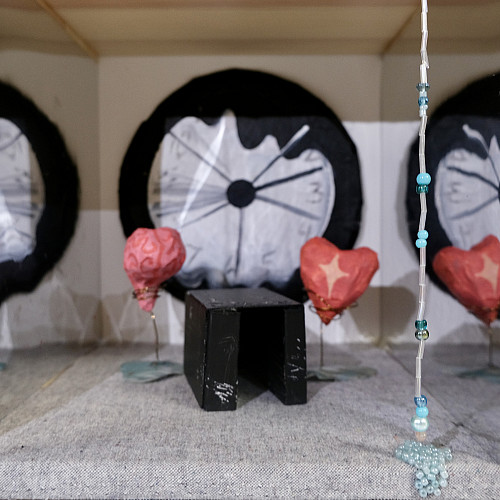
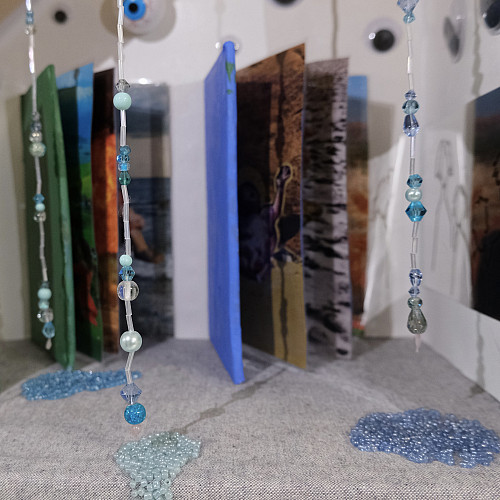
Harkin’s House, named for the artists’ internship site, is Wagenman’s best effort to convey the complexity of her impressions practicing art therapy in a residential shelter for teens in the legal system. Like the youth she is learning to serve, her experience has been complicated, beautiful, and at times contradictory. By nature, working with children can be bright and playful, like the colors of the dollhouse. It can also feel messy, chaotic, and painful - especially when truly sitting with how the youth at Harkin’s House have been affected by intergenerational trauma, abuse, and systemic oppressions like racial discrimination and poverty. Though the shelter provides safety, resources, and containment, it can also be a source of re-traumatization, where kids are separated from their attachment figures, surveilled, and further entrenched in the system.
Because the dollhouse exists in space, viewers can explore different facets of the artists’ experience. Step into the dorm room upstairs and notice how each child comes in with a story - flip through them, pay attention. Observe how it feels to have eyes on you 24/7. And try not to step in any puddles (like the bleed of systemic impacts in all spaces, the rain falls through cracks in the ceiling). See how these kids are larger than life, bursting out of the space, needing and deserving more. If you head downstairs to the group room, you can feel how crowded the space is with energy, individuality, and peer dynamics. Witness the art hung on the walls and feel proud. Lastly, enter the 1:1 therapy space. Notice how time melts away for you and feels never ending for the kid who doesn’t get to leave. See the conversation between heart and mind and notice how the ways we reflect one another are endless.
Harkin’s House
Credit: Kari W.
Harkin’s House
Credit: Kari W.
Harkin’s House
Credit: Kari W.
Harkin’s House
Credit: Kari W.
Harkin’s House
Credit: Kari W.
Kari W.
Art Therapy is located in room 326 of Rogers Hall on the Graduate Campus.

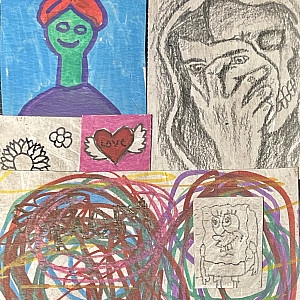

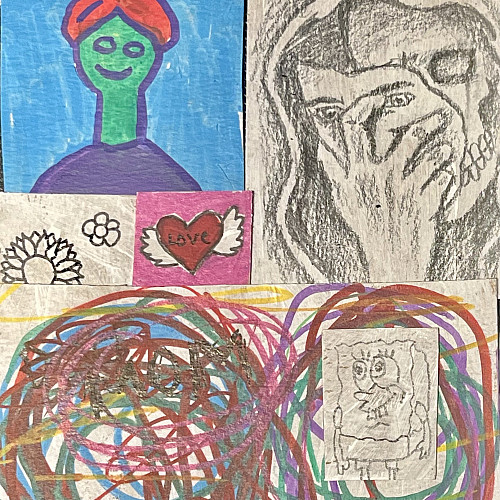 Harkin’s HouseCredit: Kari W.
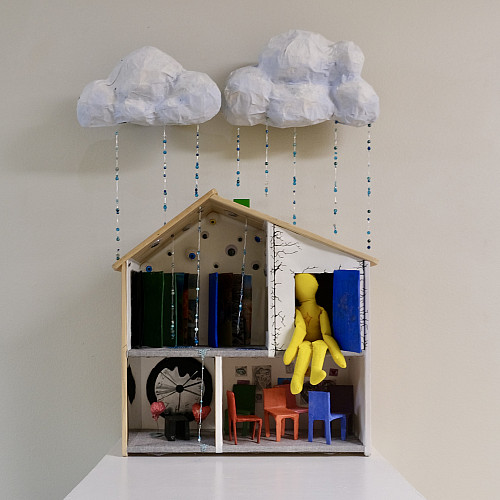 Harkin’s HouseCredit: Kari W.
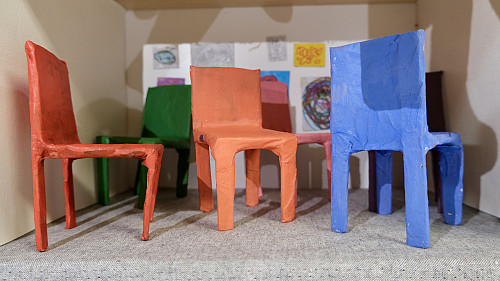 Harkin’s HouseCredit: Kari W.
 Harkin’s HouseCredit: Kari W.
 Harkin’s HouseCredit: Kari W.


