
Criminal Justice Reform Clinic (CJRC)

Under the supervision of Professor Aliza Kaplan, the Criminal Justice Reform Clinic trains students navigating the “backend” of the criminal legal system—focusing on individuals already in prison.
The CJRC specializes in seeking relief through parole, clemency, resentencing, and other post‑conviction remedies. Additionally, the CJRC provides vital legal information and navigation support to all incarcerated youth in Oregon.
Students in the CJRC build and use core lawyering skills: client interviewing and counseling, trauma‑informed communication, fact investigation, and deep review of records spanning trials, appeals, and prison files. They research complex constitutional, statutory, and sentencing issues; draft motions, memos, and petitions; and help develop case theory and strategy that centers clients’ stories and second‑chance arguments.
Clinic students also practice advocacy beyond the courtroom by working on legislation and policy tied directly to the lives of people in prison. They analyze and help draft bills, prepare testimony, and track how reforms play out for people still inside, learning how to connect individual cases to broader change.
By the end of the clinic, students have practiced persuasive writing and oral advocacy, negotiation, collaboration with experts, and careful ethical decision‑making in high‑stakes, real‑world settings. They leave with a grounded understanding of how to use law, narrative, and data together to win meaningful second chances for people the system has tried to forget.
-
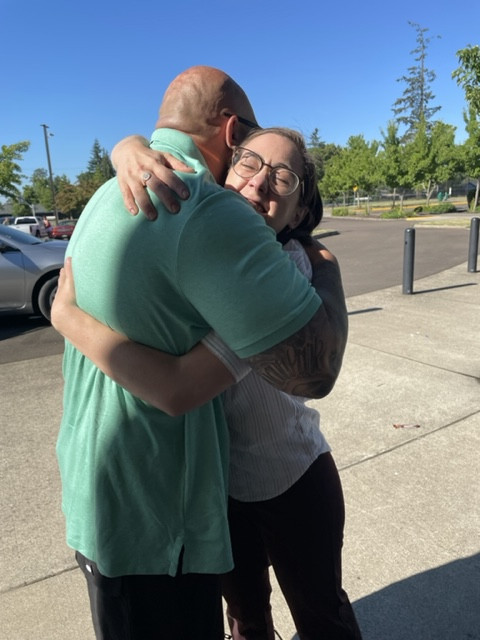 Clinic student Maggie Powers with former client at his release from prison.
 -
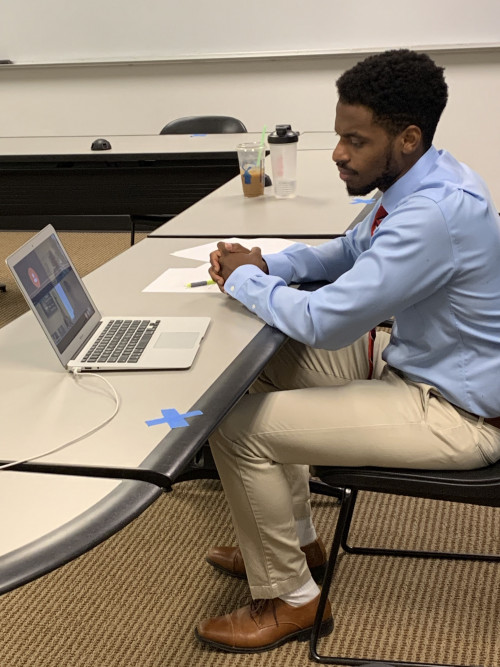 Clinic student Clarens Emrich conducting a parole hearing during COVID-19.
 -
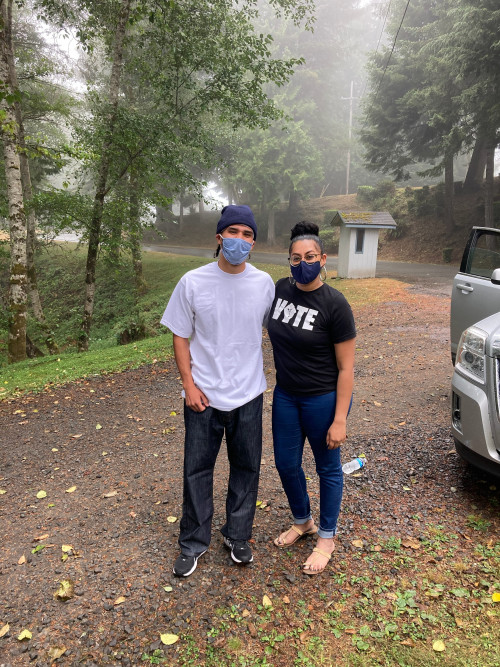 Clinic attorney Anjana Kumar with CJRC clemency client at his release from prison.
 -
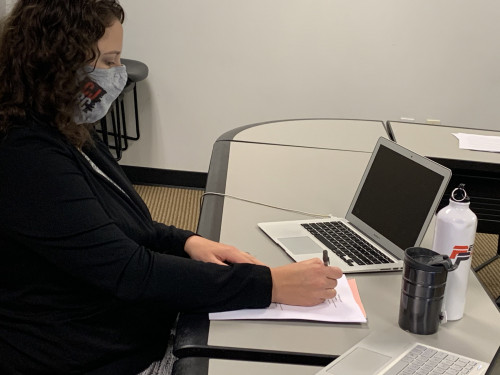 Clinic student Grace White conducting a parole hearing during COVID-19.
 -
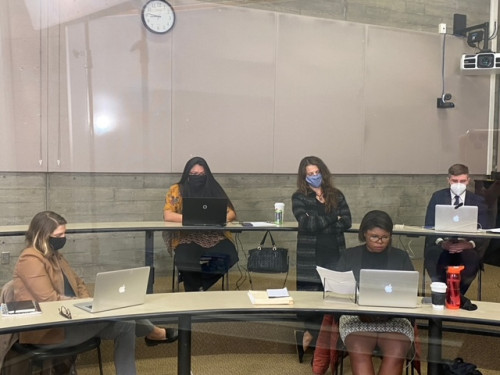 Chloe Williams leading a parole hearing.
 -
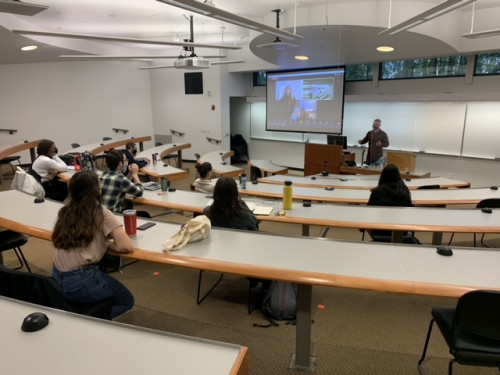 Former Client Teaching Class.
 -
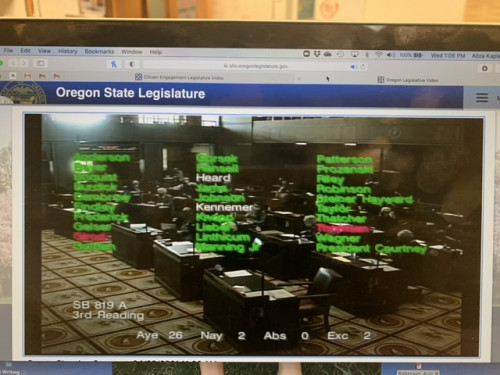 Oregon legislature voting on Clinic bill SB 819.
 -
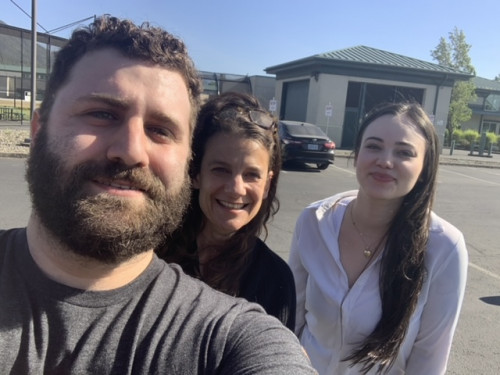 Clinic students Micah Ross and Ellie Nicoletta with Prof. Kaplan at Rogue Valley Youth Correctional Facility.
 -
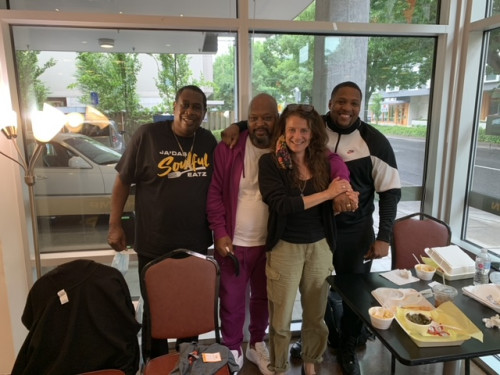 Professor Kaplan with former clients/project ambassadors planning the Black Oregonian Pardon Project.
 -
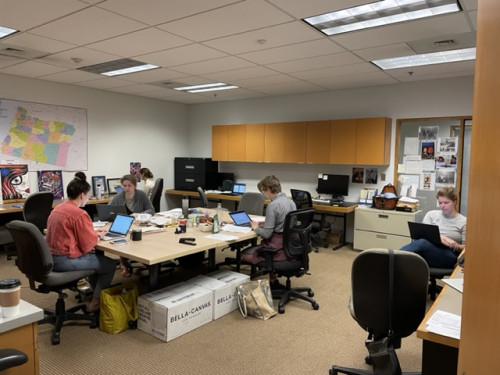 Students working in the Clinic office.
 -
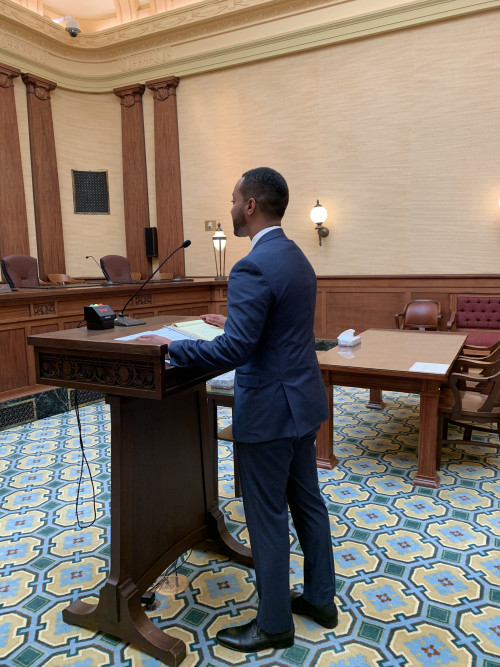 Clinic student Bruce Myers argues at the Oregon Court of Appeals.
 -
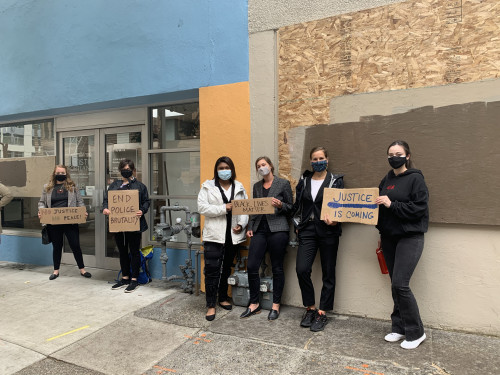 Clinic students support Black Lives Matter.
 -
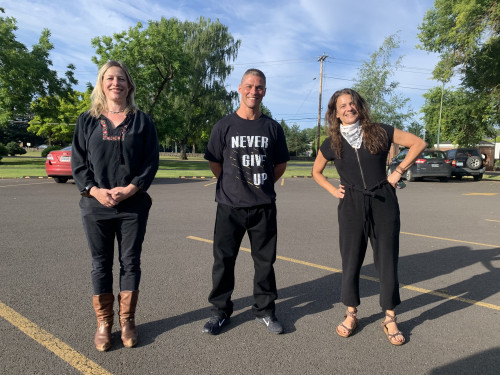 Client Josh Cain (middle) with staff attorney Venetia Mayhew (left) and Professor Aliza Kaplan (right) at his release from prison following a commutation by the Governor.
 -
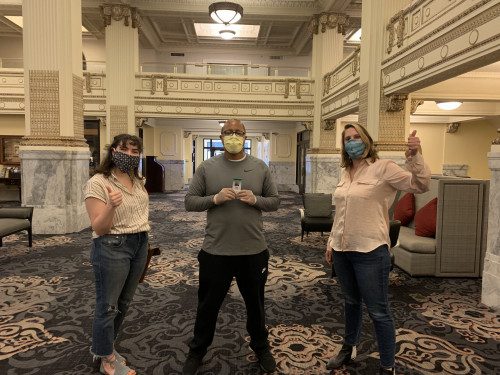 Client Joshua Wilburn with clinic student Taylor Rose and clinic attorney Mieke de Vrind.
 -
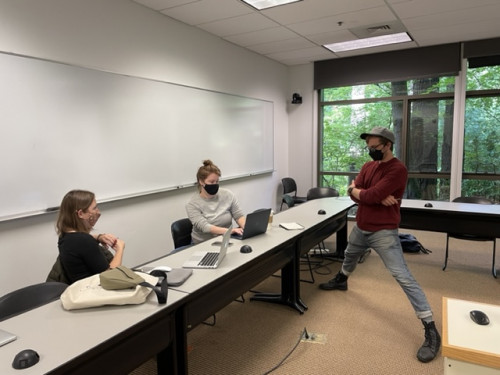 Clinic students strategizing juvenile set aside cases.
 -
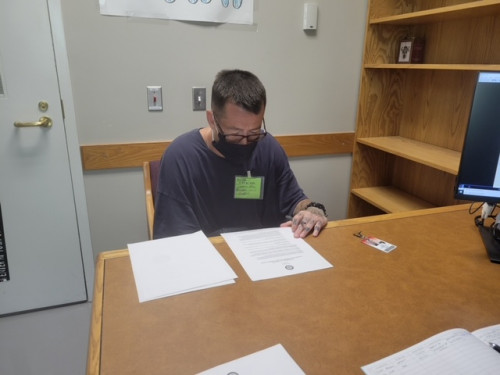 Clinic client reviewing his clemency paperwork.
 -
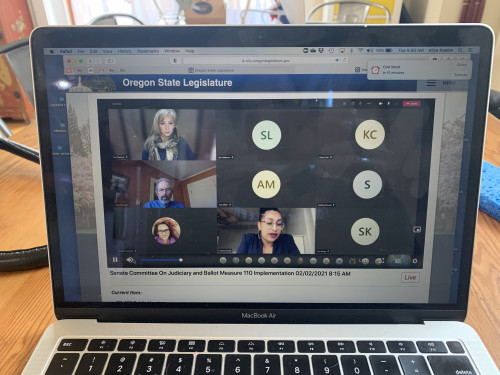 OYA Youth Legal Clinic attorney Anjana Kumar testifying in support of SB 422 to eliminate court fines and fees associated with juvenile delinquency.
 -
 Professor Kaplan with former client at his release at Oregon State Penitentiary.
 -
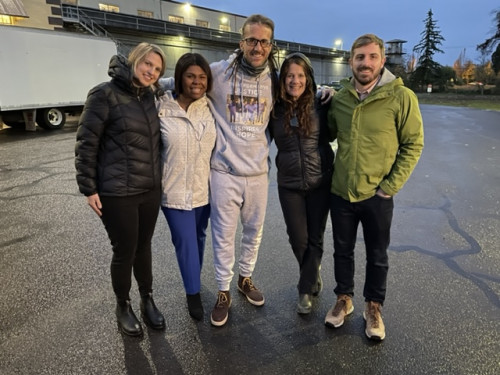 Former client with his legal team.
 -
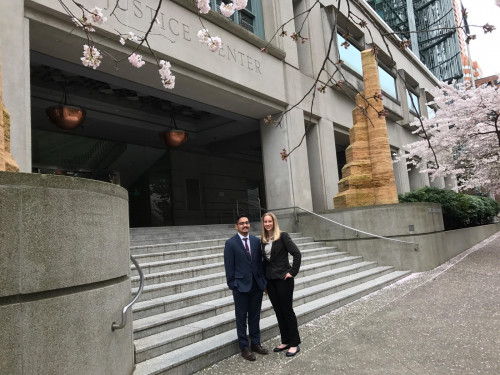 Chad Marquez and Danielle Richardson at the Columbia county courthouse.
 -
 Clinic student Mark Cebert testifying to the Oregon senate judiciary committee.
 -
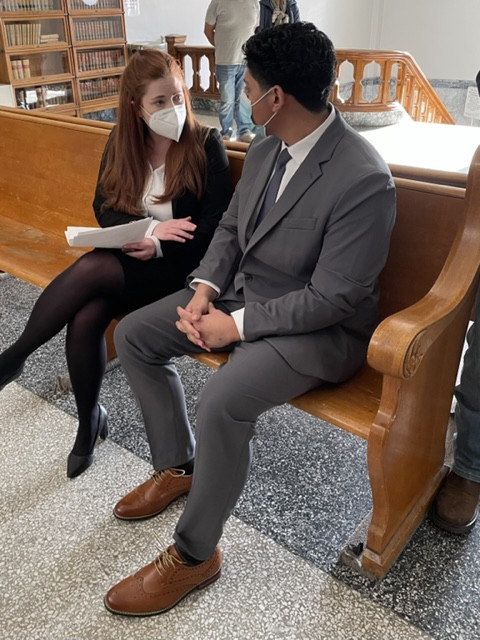 Clinic fellowship attorney Natalie Hollabaugh preparing client for SB 819 hearing.
 -
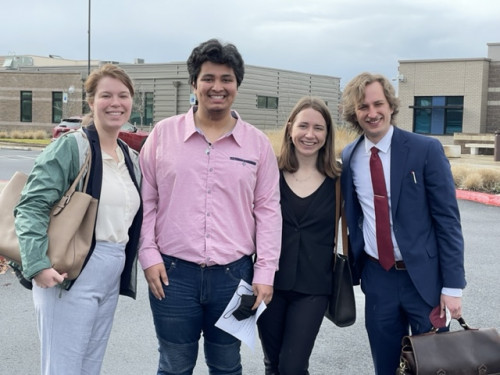 Students Caroline Taylor and Jake Larson with former juvenile set aside client and Clinic staff attorney Laney Ellisor outside juvenile court.
 -
 Client Juliette McShane (right) with clinic student Alison Kavanagh (left) at her release from prison following a commutation by the Governor.
 -
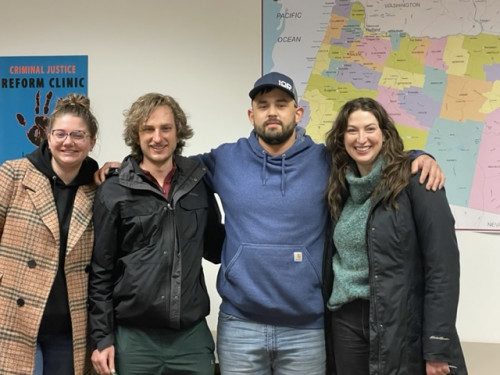 Former clemency client visiting the Clinic.
 -
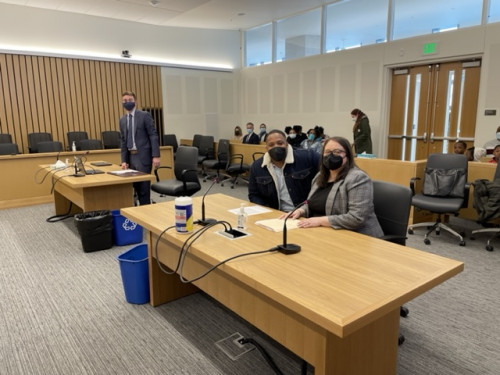 Clinic staff attorney Brittany Hill with client at SB 819 hearing.
 -
 Clinic student Ilima Umbhau with client at Japanese Healing Garden at Oregon State Penitentiary.
 -
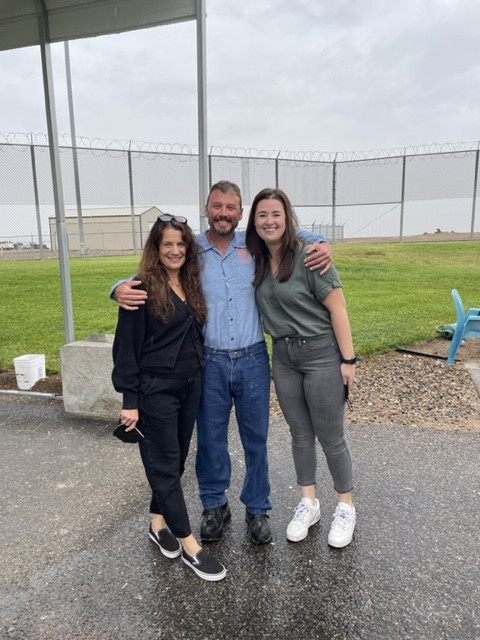 Clinic student Adrienne Delmonte and Professor Kaplan visiting a client at Snake River Correctional Facility.
 -
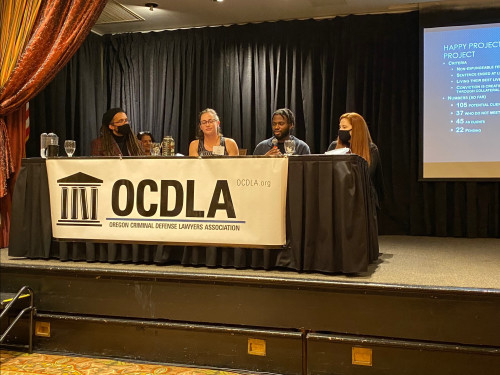 Clinic students Sara Long and Mark Cebert presenting at OCDLA conference with former client and Clinic fellowship attorney Natalie Hollabaugh.
 -
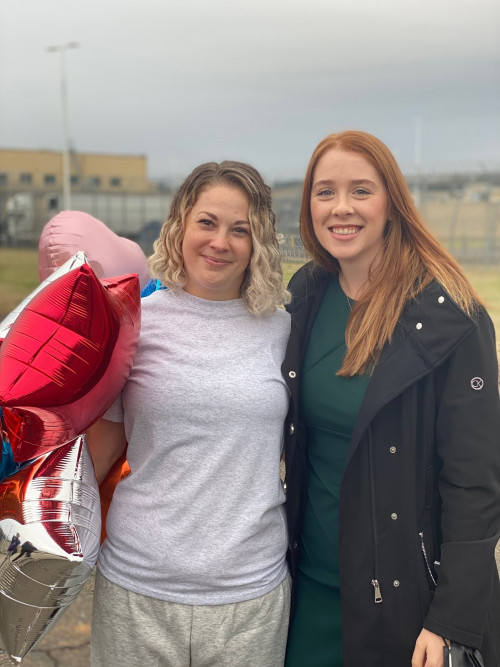 Former clinic student Stacie Damazo meeting her client outside Coffee Creek Correctional Facility at her release.


News

More Than Their Worst Act: CJRC’s Parole Advocates
Criminal Justice Reform Clinic students become advocates for incarcerated individuals facing review hearings.

An Accelerated Path to Law School
Persistence is paying off for Danielle Pon BA ’24, JD ’27, who is currently attending Lewis & Clark Law School as part of the accelerated “3-3” BA/JD program.

Criminal Justice Reform Clinic Transforms Lives with SB 819
Students in the CJRC are actively bringing SB 819 cases, representing clients in cases across the state, writing petitions, and participating in hearings in circuit courts.
